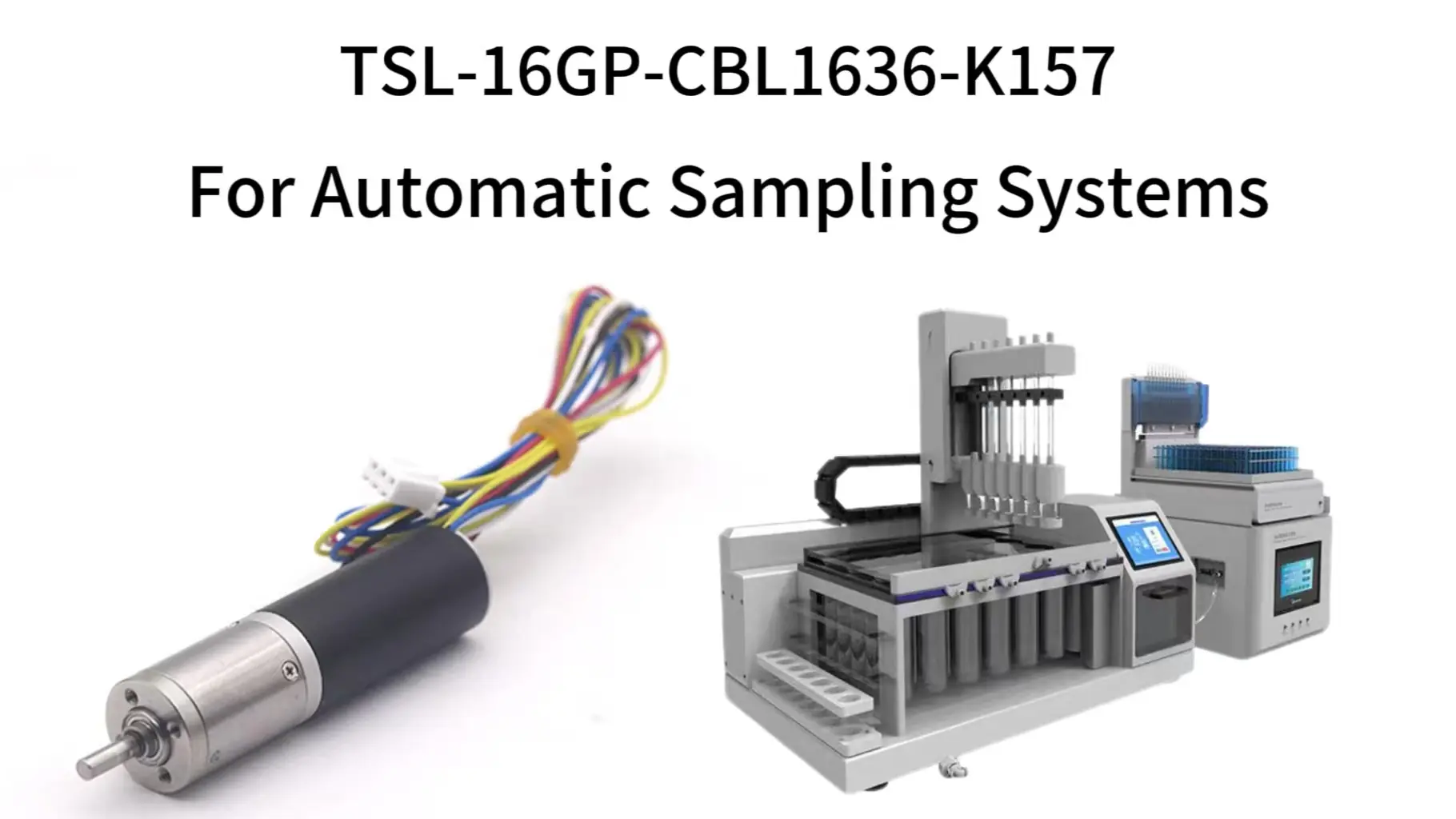

In fields such as laboratory testing, environmental monitoring, and industrial process control, automatic sampling systems are core equipment for ensuring data accuracy and improving operational efficiency, while the drive component is the “heart” that determines system performance.
The TSL-16GP-C1636-K157 brushless 16mm diameter coreless planetary gear motor, with its compact structure, efficient power output, and precise control, has become an ideal drive solution for automatic sampling systems.
Key Takeaways
- The TSL-16GP-C1636-K157 motor combines a brushless coreless design with a precision planetary gearbox.
- A compact 16mm diameter allows for easy integration into space-constrained portable sampling devices.
- High stall torque of 20 kg·cm provides a powerful safety margin against pipeline blockages.
- The ironless rotor structure ensures smooth, vibration-free motion for delicate liquid handling.
- Built-in magnetic encoders support the high-precision requirements of automated laboratory workstations.
- Brushless technology eliminates mechanical wear and electromagnetic interference during sensitive tests.
- Maintenance-free longevity reduces the total cost of ownership for 24/7 online monitoring systems.
Principle of Automatic Sampling Systems
The core function of an automatic sampling system is to achieve full-process automation of “automatic identification – precise sampling – sample transfer – reset standby.”
It can complete the sampling operation of designated media (liquids, gases, solid particles, etc.) without manual intervention, ensuring the standardization and consistency of the sampling process while avoiding errors and contamination caused by manual sampling.
Its core working principle can be summarized in three steps:
First, the system uses sensors (such as liquid level sensors, pressure sensors, and position sensors) to identify the sampling point and medium status, then transmits signals to the controller.
Second, after receiving instructions, the controller drives the actuators (sampling arms, sampling pumps, valves, etc.) to move accurately to the sampling position and complete quantitative or qualitative sampling.
Finally, after sampling is completed, the actuators return to their original positions, the samples are transferred to the detection module, and the system enters the next sampling cycle.
Throughout the process, the motion accuracy and power stability of the actuators directly determine the accuracy of sampling data and the operating efficiency of the system, while the drive motor serves as the core power source of the actuators.
How Motors Drive Automatic Sampling Systems
The motor plays the role of the “core power output unit” in automatic sampling systems. Through coordination with the controller and actuators, it realizes power driving throughout the entire sampling process. The specific drive logic can be divided into three levels to meet the motion requirements of different actuators:
Power transmission
The motor output shaft connects to actuators such as sampling arms, sampling pumps, and valves through transmission components such as couplings and gears, converting the motor’s speed and torque into driving force for the actuators, such as driving the lifting and rotation of the sampling arm, enabling constant-speed pumping by the sampling pump, and achieving precise valve opening and closing.
Precise control
The motor works together with the controller and encoder to achieve precise adjustment of speed, position, and torque. For example, during sampling, the pump speed must be controlled to ensure quantitative sampling, and the positioning of the sampling arm must reach millimeter-level accuracy to avoid sampling deviation. All of these rely on the motor’s precise response and control capability.
Operating condition adaptability
In response to sudden conditions during sampling, such as changes in medium resistance or pipeline blockage, the motor must have a certain overload capability to ensure that actuators do not jam or stop, thereby guaranteeing continuous sampling operation.
Through its integrated “brushless drive + planetary reduction” design, the TSL-16GP-C1636002 brushless coreless planetary gear motor can directly adapt to various actuators in automatic sampling systems, achieving dual optimization of power and control.
Requirements of Automatic Sampling Systems for Motors
Automatic sampling systems operate in diverse scenarios (laboratories, field environments, industrial sites, etc.) and require high sampling precision and stability. Therefore, the requirements for drive motors are highly targeted and mainly focus on the following five aspects:
Compact Size
Most automatic sampling devices, especially portable and integrated equipment, have limited internal space. Therefore, motors must feature compact size and high power density. Miniature motors with diameters around 16mm are mainstream choices and can be flexibly installed inside equipment.
Strong Overload Capability
Routine sampling operations (such as pump driving and valve switching) require stable rated torque, while sudden conditions (such as pipeline blockage or viscous media) demand strong stall torque. Ideally, the rated torque should meet normal load requirements, while the stall torque should reach more than eight times the rated torque to prevent motor burnout and sampling interruption.
Fast Response
Actions such as sampling arm positioning and quantitative sampling require motors with no cogging effect, smooth operation, micron-level positioning accuracy, and fast start-stop response without lag, thereby avoiding sampling deviation and cross-contamination.
Low Noise and Low Vibration
In laboratories and precision testing scenarios, equipment noise and vibration requirements are strict. Motors must maintain low noise and low vibration during operation to avoid affecting testing accuracy or causing sample shaking.
Long Service Life and Maintenance-Free Operation
Some sampling systems need to operate continuously 24/7 (such as online monitoring equipment) or are installed in unattended outdoor environments. Therefore, motors must have no easily worn components and provide long service life, reducing maintenance frequency and lowering operation and maintenance costs.
Why Brushless Coreless Gear Motors Are Needed
Currently, the commonly used drive motors in the industry mainly include traditional brushed DC motors, ordinary stepper motors, and brushless coreless gear motors. By comparing the core performance of these three types, it becomes clear that brushless coreless gear motors are better suited to the core requirements of automatic sampling systems.
Compared with Traditional Brushed DC Motors
Traditional brushed motors are bulky, their carbon brushes wear easily, and they require frequent maintenance. In addition, they have low efficiency and high power consumption, making them unsuitable for portable devices and unattended applications.
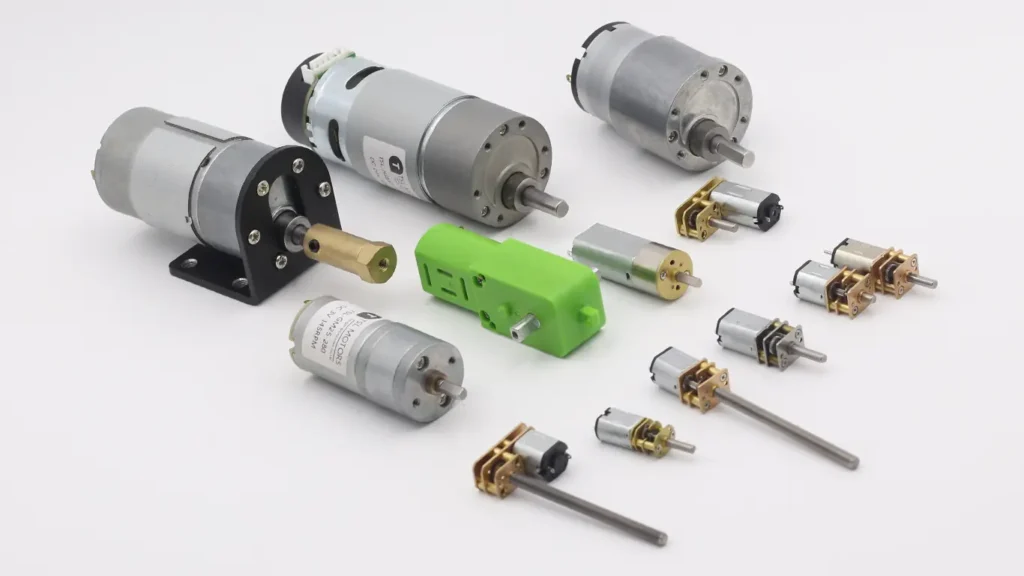
Brushless coreless motors adopt a coreless structure. Combined with a 16mm miniature size and planetary gearbox, they can achieve high torque output, eliminate carbon brush wear, provide maintenance-free operation, and reduce power consumption, thereby completely solving these core pain points.
Compared with Ordinary Stepper Motors
Ordinary stepper motors have obvious cogging effects, large vibration and noise during low-speed operation, insufficient positioning accuracy, low torque density, and weak overload capability, making them prone to jamming and shutdown.
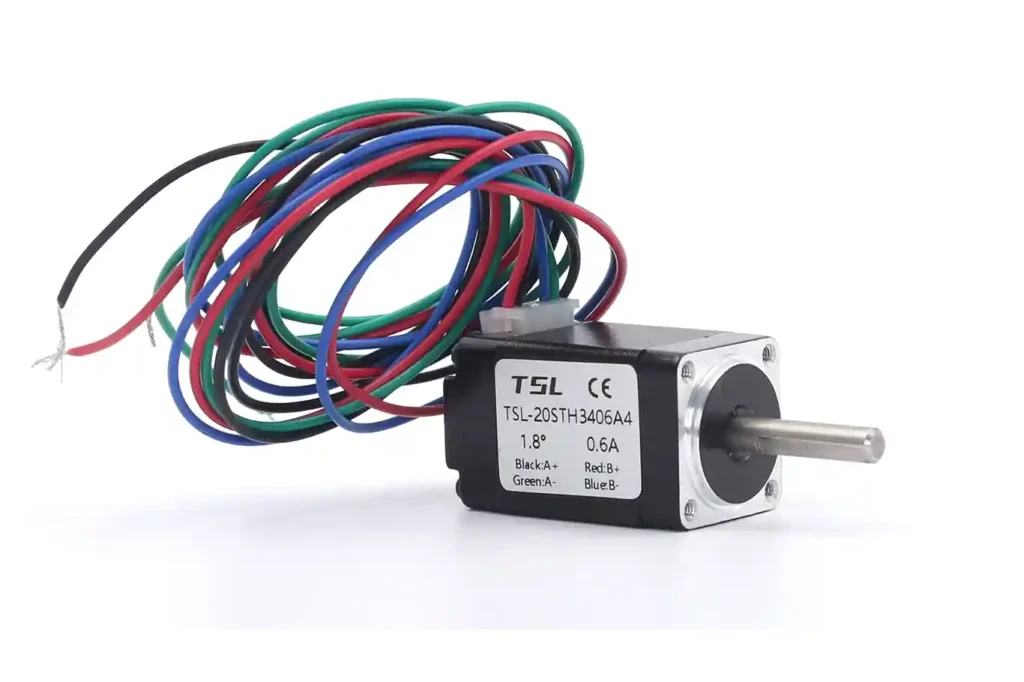
Brushless coreless gear motors have no cogging effect, provide low-noise and smooth operation, achieve micron-level positioning accuracy, offer high torque density and strong overload capability, and ensure continuous and precise sampling processes.
| Performance Indicator | Traditional Brushed DC Motor | Ordinary Stepper Motor | Brushless Coreless Gear Motor |
| Performance Indicator | Traditional Brushed DC Motor | Ordinary Stepper Motor | Brushless Coreless Gear Motor |
| Performance Indicator | Traditional Brushed DC Motor | Ordinary Stepper Motor | Brushless Coreless Gear Motor |
| Performance Indicator | Traditional Brushed DC Motor | Ordinary Stepper Motor | Brushless Coreless Gear Motor |
| Performance Indicator | Traditional Brushed DC Motor | Ordinary Stepper Motor | Brushless Coreless Gear Motor |
In summary, brushless coreless gear motors effectively compensate for the shortcomings of traditional motors and perfectly match the core requirements of automatic sampling systems, making them the preferred drive component.
Advantages of the TSL-16GP-C1636002 Brushless Coreless Gear Motor
As a 16mm diameter brushless coreless planetary gear motor, the TSL-16GP-C1636002 is optimized for the needs of automatic sampling systems and offers outstanding advantages compared with similar motors.
Strong Torque Output Adaptability
The rated torque at the highest efficiency point reaches 2.4 kg·cm, enabling stable driving of conventional actuators such as sampling pumps, sampling arms, and valves to meet the core requirements of quantitative sampling and precise positioning.
The stall torque reaches 20 kg·cm, more than eight times the rated torque, allowing it to handle sudden conditions such as pipeline blockage and abrupt changes in medium resistance, thereby preventing motor burnout and system shutdown.
Compact and Lightweight
The 16mm miniature design is compact and lightweight, allowing direct integration into various small automatic sampling devices to fit limited installation spaces. The output shaft can directly connect to actuators, reducing transmission losses.
Precise and Stable
The brushless coreless structure features no cogging effect and no iron loss, resulting in low operating noise and minimal vibration. Positioning accuracy can reach the micron level, avoiding sampling deviations caused by shaking of the sampling arm or pump body, making it ideal for precision sampling applications.
High Efficiency and Low Power Consumption
The motor operates with low power consumption at maximum efficiency, making it suitable for battery-powered portable sampling equipment, extending field operation endurance, and reducing energy costs in industrial applications.
Long Service Life
Without carbon brush wear, and with the planetary gearbox manufactured using precision machining technology and steel gears, the motor is highly wear-resistant and durable. The overall service life can reach thousands of hours, reducing maintenance frequency and lowering long-term operating costs.
Strong Anti-Interference Capability
The brushless drive design provides excellent electromagnetic interference resistance, enabling stable operation in complex electromagnetic environments such as industrial sites and laboratories, thereby ensuring the continuity and reliability of sampling systems.
Equipped with Encoder
The motor is equipped with an encoder that can provide real-time feedback on motor position and speed. Combined with the controller, it enables closed-loop control, further improving positioning accuracy and repeatability of sampling actions, ensuring precise sampling point positioning and meeting the requirements of higher-end precision sampling applications.
Overview of the TSL-16GP-C1636-K157 Brushless Coreless Gear Motor
The TSL-16GP-C1636-K157 is a brushless coreless planetary gear motor specifically designed for precision miniature drive applications. It integrates a brushless coreless motor and a planetary gearbox into one compact unit, making it particularly suitable for automatic sampling systems and other equipment with strict requirements for size, precision, and torque.
Future Outlook
With the continuous advancement of automatic sampling technology, industry demand for “miniaturization, high precision, intelligence, and long endurance” in sampling systems will continue to increase, placing higher requirements on drive motors.
In the future, the TSL-16GP-C1636-K157 will further optimize its performance based on existing advantages. On one hand, while maintaining its compact 16mm size, it will further improve torque density and efficiency to adapt to more complex sampling conditions, such as high-pressure and high-viscosity media sampling. On the other hand, intelligent control modules will be integrated to enable real-time monitoring of motor operating status and fault warning, keeping pace with the intelligent upgrade of automatic sampling systems and improving overall operation and maintenance efficiency.
At the same time, with the rapid development of environmental monitoring, laboratory automation, and Industry 4.0, the application scenarios of automatic sampling systems will continue to expand.
The TSL-16GP-C1636-K157 will further adapt to multi-scenario requirements, such as miniature portable sampling equipment and high-throughput laboratory sampling workstations, providing the industry with more precise, stable, and efficient drive solutions and promoting the development of automatic sampling technology toward greater precision and intelligence.
Conclusion
The precision, stability, and efficiency of automatic sampling systems rely on the support of core drive motors.
With its compact 16mm size, 2.4 kg·cm rated high-efficiency torque, and 20 kg·cm strong stall torque, the TSL-16GP-C1636-K157 perfectly matches the core motor requirements of automatic sampling systems. It not only solves the space limitations of miniature sampling equipment but also ensures the precision and continuity of sampling actions.
The low noise, low power consumption, and long service life brought by its brushless coreless structure further reduce equipment maintenance costs and improve system operating reliability.
Whether for precision laboratory sampling, online industrial process sampling, or field environmental monitoring sampling, the TSL-16GP-C1636-K157 can provide stable and efficient drive support, making it an ideal choice for automatic sampling system drive components.
In the future, with continuous technological optimization, this motor will continue to adapt to industry upgrade demands and provide stronger power support for the development of the automatic sampling field.
FAQ
Q1:Why is a “coreless” motor better for precise sampling than a standard motor?
Coreless motors have no iron core, eliminating “cogging torque.” This results in incredibly smooth rotation and micron-level positioning, preventing the sampling arm from shaking or splashing sensitive liquid samples.
Q2:Can this motor handle thick or viscous liquids during sampling?
Yes. While its rated torque is 2.4 kg·cm, it has a massive stall torque of 20 kg·cm. This 8x overload capacity allows it to push through high-resistance or viscous media without burning out.
Q3:How does the integrated encoder improve system performance?
The encoder provides real-time position and speed feedback. This enables “closed-loop” control, ensuring the sampling needle reaches the exact same coordinate every time, which is vital for high-throughput testing.